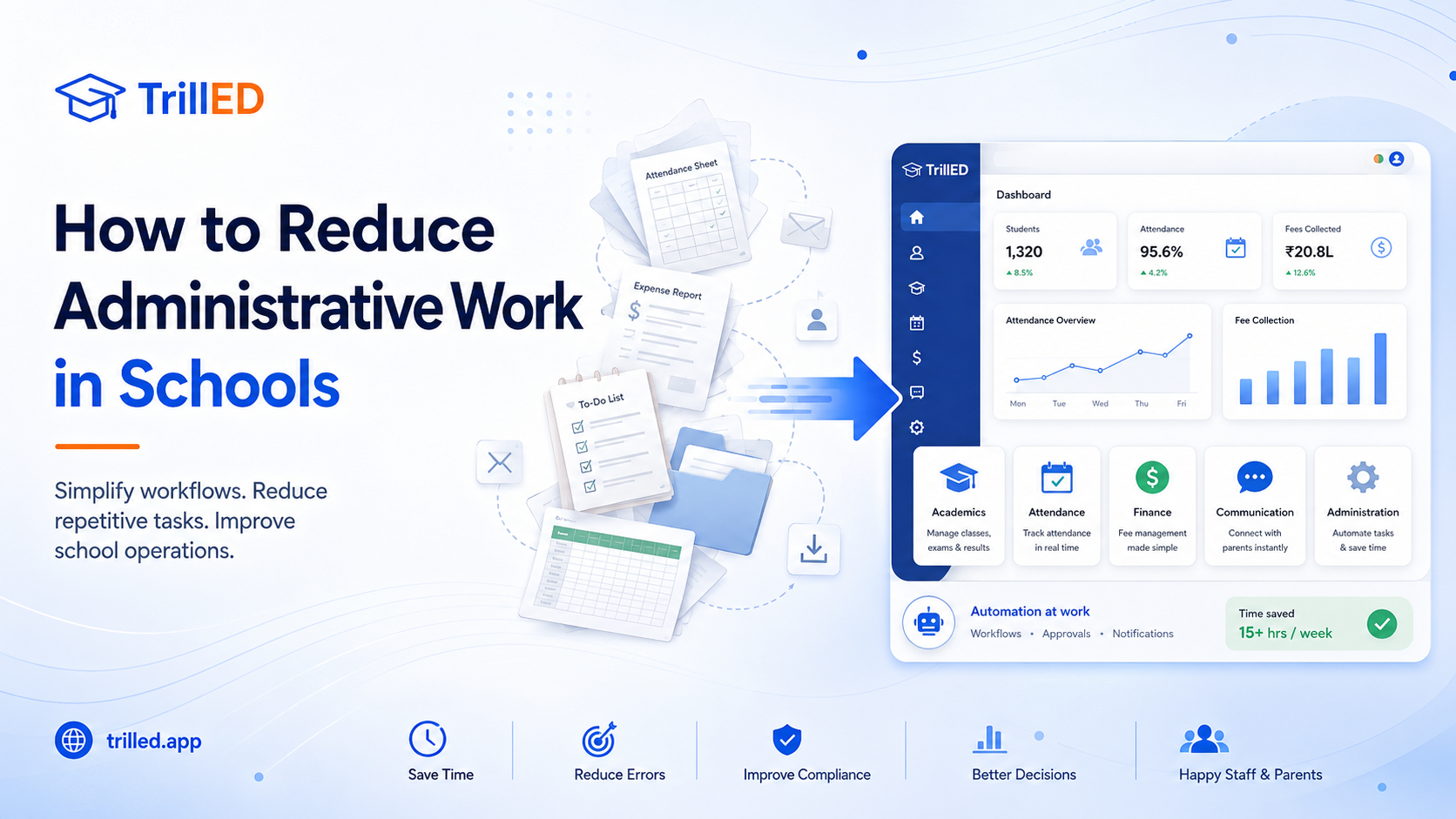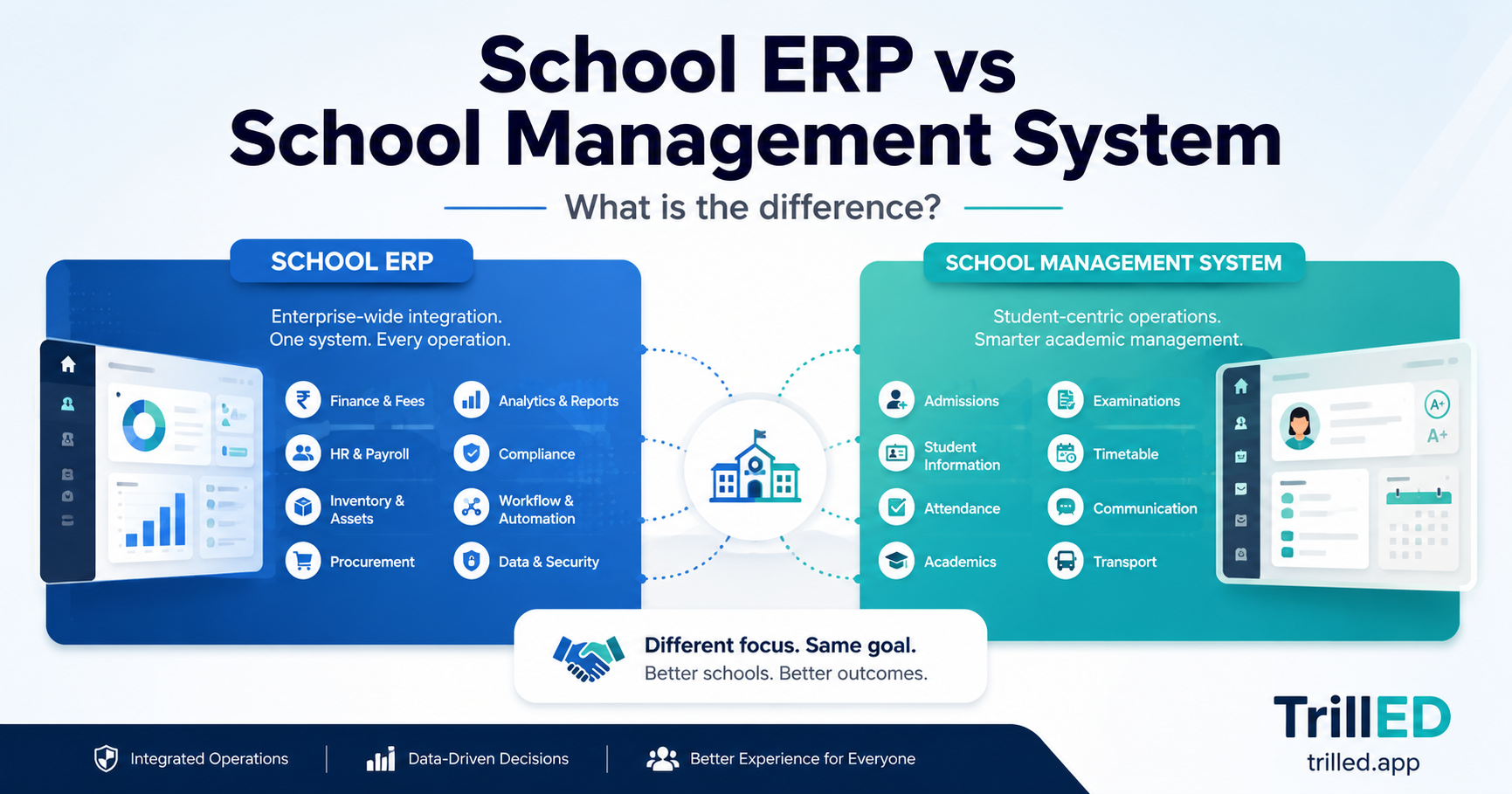
Is your current school ops stack quietly slowing everyone down?
Most school teams don’t suffer from a lack of effort—they suffer from a patchwork of tools, inboxes, spreadsheets, and “tribal knowledge” that creates invisible friction. If you’re seeing repeated mistakes, stalled approvals, or constant follow-ups, your systems may be holding staff back.
Below are five operational pain point schools face today, plus the practical fix: a connected workflow that makes work visible, accountable, and easier to run.
1) Work lives in too many places (and gets lost)
If requests arrive via email, hallway conversations, shared spreadsheets, and multiple apps, no one has a reliable “source of truth.” Tasks slip through cracks, staff duplicate effort, and leaders can’t see what’s actually in progress.
How a connected workflow fixes delays and errors: Centralize operational requests in one intake path so every request becomes a trackable item with an owner, status, due date, and history.
2) Approvals are unclear, slow, or inconsistent
When approvals depend on who’s available, who’s copied on an email, or who remembers the process, work stalls. Staff spend time chasing signatures instead of completing tasks.
How a connected workflow fixes delays and errors: Use defined approval steps that route to the right person automatically, with clear handoffs and timestamps. Everyone can see where something is stuck and what needs to happen next.
3) The same questions get asked every week
“Where is that request?” “Who’s handling this?” “Did we notify the family?” “When is the vendor coming?” Repeated status-checking is a signal that your operations aren’t transparent.
How a connected workflow fixes delays and errors: Provide a shared view of requests and tasks so staff can self-serve updates without pinging three people. Communication becomes proactive, not reactive.
4) Processes depend on specific people (not a repeatable system)
When only one staff member knows how to run a reimbursement, schedule coverage, manage facilities tickets, or coordinate onboarding, you’re operating on memory—not a system. When that person is out, everything slows down.
How a connected workflow fixes delays and errors: Standardize recurring processes using consistent steps and templates so the work is repeatable, delegable, and resilient during absences or turnover.
5) Leaders can’t confidently answer “What’s working?”
If you’re relying on anecdotal updates, scattered notes, or last-minute scrambles before meetings, it’s hard to prioritize resources, identify bottlenecks, or coach teams effectively.
What result school leaders can expect: Clear visibility into workload, turnaround times, and stuck work—so you can make decisions based on what’s actually happening, not what you last heard.
What TrillED changes: clarity, ownership, and momentum
TrillED is built to bring practical structure to school operations without adding complexity. Instead of juggling tools and chasing updates, teams run day-to-day operations through connected workflows that keep requests moving and responsibilities clear.
- One place for operational requests and updates
- Clear ownership at every step
- Consistent approvals and handoffs
- Less rework from missing details and miscommunication
- More predictable operations across teams and campuses
Ready to reduce operational drag? If these signs feel familiar, TrillED can help you replace fragmented tools with a connected workflow that fixes delays and errors. Request a walkthrough to see how your school can get operational clarity fast.